Sugar Land, TX · Fort Bend County
Temperature-Controlled Drying in Sugar Land, TXRapid Structural Drying Services & Moisture Mapping
In Sugar Land, Temperature-Controlled Drying from local temperature-controlled drying specialists includes rapid structural drying services, drying equipment deployment, and water damage drying logs for documented recovery.
Answered 24/7
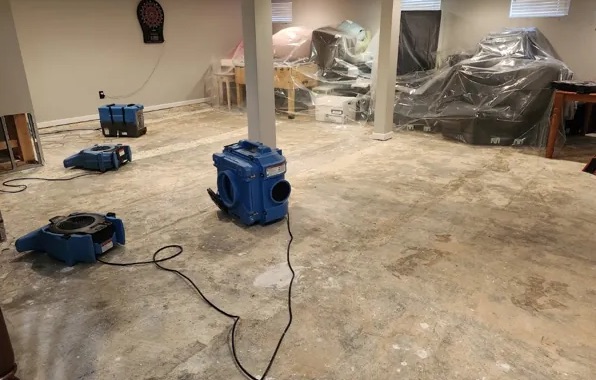
Local Temperature-Controlled Drying Solutions for Sugar Land Homes
In Sugar Land, moisture left in a structure can cause odors and draw pests. The pros map the damage with infrared cameras and sensors before setting up drying.
In Sugar Land and nearby Telfair, New Territory and Four Corners, fast structural drying stops mold before it starts. Local pros map moisture, then use LGR dehumidifiers and planned air mover placement until readings are normal.
Advanced Temperature-Controlled Drying Techniques in Sugar Land
Rapid Structural Drying Services
Local temperature-controlled drying specialists aim air movers at wet studs, joists and subfloors to dry the structure safely.
Moisture Mapping
The specialists take regular moisture readings throughout the project. This monitoring verifies equipment performance and guides strategy adjustments.
Drying Equipment Deployment
The specialists set up LGR dehumidifiers, axial fans and cavity drying systems to work together on the wet structure.
Climate-Controlled Drying Systems
Advanced systems allow precise manipulation of the drying environment. By controlling the dew point, the specialists can aggressively dry contents without risk.
Thermal Drying for Water Damage
The specialists apply thermal energy to enhance air mover and dehumidifier effectiveness. This lowers relative humidity, creating a stronger force to pull moisture from materials.
When to Call for Temperature-Controlled Drying in Sugar Land, TX
High Humidity Readings Inside
A hygrometer showing unusually high indoor humidity after water damage means the building is still wet.
Discoloration on Drywall or Ceilings
Yellow or brown water stains appear on surfaces that seem dry. These stains suggest moisture is still present inside the wall cavity.
Equipment Running With No Result
Fans or dehumidifiers that run for days without drying the area mean the moisture is deeper than household equipment can reach.
Paint Peeling or Bubbling Up
Paint loses adhesion and forms bubbles or peels away from the wall. This failure is caused by moisture trapped beneath the paint film.
How Temperature-Controlled Drying Works in Sugar Land
Step 1: Site Evaluation and Equipment Planning
The pros evaluate the site to determine the type and quantity of drying tools needed.
Step 2: Drying Equipment Setup
Industrial air movers and dehumidifiers are set up in the affected zones right away.
Step 3: Controlled Humidity Management
Dehumidifiers pull moist air out of the room, which keeps the air dry enough for materials to keep drying.
Step 4: Progress Tracking With Drying Logs
Temperature, humidity and moisture readings are recorded each day in a drying log.
Typical Reasons for Drying Needs in Sugar Land
Overflowing Sinks or Bathtubs
A simple blockage or forgetfulness leads to an overflow event. Water spreads quickly, soaking cabinetry and flooring, and requires thorough drying equipment deployment.
Appliance Malfunction or Overflow
A failed washing machine hose, water heater or dishwasher can release many gallons onto the floor.
Sprinkler System Activation
A fire sprinkler discharges, releasing a large volume of water quickly. This event saturates entire areas and requires precise air mover placement and strategy.
Poor Ventilation After a Flood
Closing up a wet room traps humid air, which slows drying and lets moisture soak further into materials.
Temperature-Controlled Drying for Homes and Businesses in Sugar Land
Residential Temperature-Controlled Drying
Homeowners benefit from structural drying that prevents mold and preserves structural elements like wood framing and drywall. The experts set up targeted drying arrays to address specific home layouts and materials.
Commercial Temperature-Controlled Drying
For commercial properties, pros run industrial dehumidifiers and air movers to control humidity in large spaces and monitor moisture until the building is dry.
Temperature-Controlled Drying: DIY Risks vs. Professional Care in Sugar Land
Photograph all affected areas and items for insurance and move undamaged belongings to a dry room. Drying the structure takes industrial equipment that DIY gear cannot replace.
What Affects Temperature-Controlled Drying Cost in Sugar Land
In Sugar Land, the price depends on the square footage, how long drying runs and which drying systems are used.
Humidity Control Measures
Controlling humidity in tight spaces often takes specialized drying equipment and frequent adjustments.
Documentation Requirements
Detailed drying logs and moisture reports for insurance take extra time to prepare.
Extent of Water Damage
The larger the area that needs drying, the more equipment and labor the job takes.
Does Insurance Cover Temperature-Controlled Drying?
Many homeowner policies cover temperature-controlled drying when it stems from a sudden, covered peril like a burst pipe. The specialists document all damage with photos and moisture readings for your claim submission.
The Value of Local Specialists for Temperature-Controlled Drying in Sugar Land, TX
Advanced Moisture Mapping
Moisture meters and thermal cameras find hidden wet pockets so every affected material is dried.
Structural Drying
The focus is on quickly extracting moisture from structural components to minimize warping, swelling, or the potential for mold growth.
Strategic Equipment Deployment
Air movers and dehumidifiers are placed according to a plan for even airflow and low humidity.
24/7 Emergency Temperature-Controlled Drying in Sugar Land
Stop water damage from getting worse while materials sit wet. Call (281) 724-3194 24/7 for drying help from local pros in Sugar Land.
Call Now (281) 724-3194Local Temperature-Controlled Drying Coverage for Sugar Land, Telfair, New Territory and Four Corners
Climate-controlled and thermal drying are available in Sugar Land and surrounding places including Telfair, New Territory and Four Corners.
- Temperature-Controlled Drying in Telfair
- Temperature-Controlled Drying in New Territory
- Temperature-Controlled Drying in Four Corners
- Temperature-Controlled Drying in First Colony
- Temperature-Controlled Drying in Stafford
- Temperature-Controlled Drying in Fifth Street
- Temperature-Controlled Drying in Richmond
- Temperature-Controlled Drying in Missouri City
- Emergency Damage Restoration in 77478
- Storm Damage Restoration in 77478
- Water Damage Restoration in 77478
- Water Extraction Service in 77478
- Water Leak Detection in 77478
- Water Removal Service in 77478
- Emergency Damage Restoration in 77479
- Storm Damage Restoration in 77479
Your Temperature-Controlled Drying Questions Addressed
How does humidity control aid in restoration?
Drier air pulls water out of wet materials faster, so lowering humidity speeds up drying.
What is the difference between air movers and dehumidifiers?
Air movers evaporate moisture from surfaces into the air, and dehumidifiers pull it back out of the air.
How does thermal drying for water damage work?
Thermal drying applies carefully managed heat to increase the evaporation rate of moisture trapped within materials, accelerating the drying process while monitored to prevent damage.
What does drying equipment deployment involve?
Pros assess the loss, calculate how much equipment is needed and place air movers, dehumidifiers and sometimes heaters.
When is climate-controlled drying necessary versus regular drying?
Climate-controlled drying is necessary for severe losses, sensitive materials, or when precise environmental control is needed to prevent damage, unlike simple air drying for minor spills.