Richmond, TX · Fort Bend County
Temperature-Controlled Drying in Richmond, TXClimate-Controlled Drying Systems & Water Damage Drying Logs
In Richmond, Temperature-Controlled Drying from local temperature-controlled drying specialists covers climate-controlled drying systems, moisture mapping, and drying equipment deployment to dry a structure effectively.
Answered 24/7
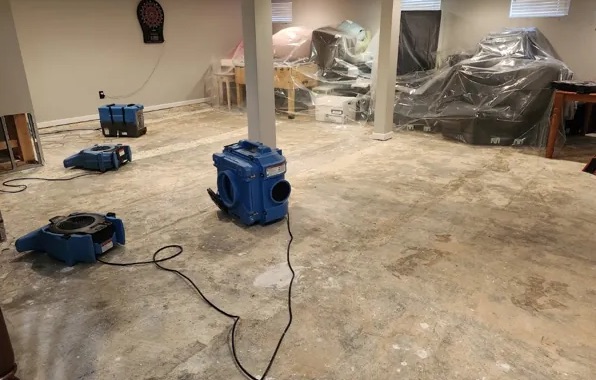
Professional Temperature-Controlled Drying in Richmond, TX
In Richmond, moisture that dries unevenly can warp materials and leave hidden mold. Local pros control heat and airflow so drying is even and does not cause more damage.
In Richmond and nearby Rosenberg, Pecan Grove and New Territory, local pros map moisture in walls and subfloors, then fit thermal drying and humidity control to the materials in the building.
Comprehensive Temperature-Controlled Drying Solutions for Richmond
Climate-Controlled Drying Systems
Advanced systems allow precise manipulation of the drying environment. By controlling the dew point, local temperature-controlled drying specialists can aggressively dry contents without risk.
Water Damage Drying Logs
The specialists compile drying logs with moisture maps, photos, and readings. This report documents the system's performance and the materials' response, demonstrating a professional approach.
Rapid Structural Drying Services
Fast structural drying uses high-velocity air movers, industrial dehumidifiers and sometimes heat, so families in Richmond can return home sooner and mold does not start.
Drying Equipment Deployment
The specialists set up LGR dehumidifiers, axial fans and cavity drying systems to work together on the wet structure.
Humidity Control for Restoration
The specialists keep humidity low in properties in Richmond, so water evaporates from materials instead of soaking back in.
Symptoms Needing Temperature-Controlled Drying in Richmond
Equipment Running With No Result
Fans or dehumidifiers that run for days without drying the area mean the moisture is deeper than household equipment can reach.
Soft Drywall or Sagging Ceiling
Drywall feels spongy to the touch or a ceiling sags downward. This softness means the material is saturated and structurally compromised.
Paint Peeling or Bubbling Up
Paint loses adhesion and forms bubbles or peels away from the wall. This failure is caused by moisture trapped beneath the paint film.
High Humidity Readings Inside
A hygrometer showing unusually high indoor humidity after water damage means the building is still wet.
How Temperature-Controlled Drying Works in Richmond
Step 1: Initial Moisture Survey and Readings
Pros take baseline moisture readings across the property to plan the drying.
Step 2: Precision Air Mover Placement
Air movers are placed at set angles and distances to target specific wet materials.
Step 3: Deployment of Drying Systems
Dehumidifiers are sized to the moisture load and the size of the space.
Step 4: Ongoing Monitoring and Adjustment
Equipment is moved and adjusted as materials dry, so drying keeps moving.
Causes of Persistent Dampness Requiring Controlled Drying in Richmond
Inadequate Initial Water Extraction
Water left behind after a leak or flood moves into subfloors and walls, where it is harder to dry.
Undetected Plumbing Leaks
A slow drip behind a wall or under a slab saturates materials over time.
Foundation Cracks and Seepage
Hydrostatic pressure forces groundwater through cracks in the foundation wall. This seepage creates a constant dampness that challenges standard drying technology.
Storm-Driven Water Intrusion
Heavy rain overflows gutters or gets in around windows and soaks framing and insulation.
Whole-Property Temperature-Controlled Drying in Richmond
Residential Temperature-Controlled Drying
At home, moisture hides in attics, crawl spaces and behind finished walls. Pros map it before setting up equipment so the whole house dries.
Commercial Temperature-Controlled Drying
In offices, schools and clinics, pros use quieter drying equipment that can run in occupied spaces, and document when drying is complete.
Professional Temperature-Controlled Drying vs. Do-It-Yourself in Richmond
Photograph all affected areas and items for insurance and move undamaged belongings to a dry room. Drying the structure takes industrial equipment that DIY gear cannot replace.
Factors in Temperature-Controlled Drying Pricing for Richmond, TX
In Richmond, cost depends on how complex the moisture mapping is and how much equipment the area needs.
Humidity Control Measures
Controlling humidity in tight spaces often takes specialized drying equipment and frequent adjustments.
Access and Logistics
Challenging site access in Richmond can complicate equipment deployment and placement, potentially increasing setup time and labor requirements.
Equipment Needs
The number and type of air movers, dehumidifiers and heaters used affect the cost.
Does Insurance Cover Temperature-Controlled Drying?
The specialists in Richmond provide thorough documentation including moisture mapping data to support a homeowner's claim. Coverage decisions belong to the insurer, so property owners should confirm with their provider.
Benefits of Local Specialists for Temperature-Controlled Drying in Richmond
IICRC-Standard Drying Methods
Drying follows industry guidelines and is checked with meters, which keeps framing and floors from staying wet.
Ongoing Moisture Monitoring
Regular checks with moisture meters verify that drying goals are met, helping ensure no residual dampness remains within walls or floors.
Structural Drying
The focus is on quickly extracting moisture from structural components to minimize warping, swelling, or the potential for mold growth.
Emergency Temperature-Controlled Drying Response for Richmond, TX
Stop water damage from getting worse while materials sit wet. Call (281) 724-3194 24/7 for drying help from the pros in Richmond.
Call Now (281) 724-3194Temperature-Controlled Drying Available Throughout Fort Bend County
Climate-controlled and thermal drying are available in Richmond and surrounding places including Rosenberg, Pecan Grove and New Territory.
- Temperature-Controlled Drying in Rosenberg
- Temperature-Controlled Drying in Pecan Grove
- Temperature-Controlled Drying in New Territory
- Temperature-Controlled Drying in Greatwood
- Temperature-Controlled Drying in Telfair
- Temperature-Controlled Drying in Sugar Land
- Temperature-Controlled Drying in Four Corners
- Temperature-Controlled Drying in Cinco Ranch
- Emergency Damage Restoration in 77406
- Storm Damage Restoration in 77406
- Water Damage Restoration in 77406
- Water Extraction Service in 77406
- Water Leak Detection in 77406
- Water Removal Service in 77406
- Emergency Damage Restoration in 77407
- Storm Damage Restoration in 77407
Temperature-Controlled Drying FAQs for Richmond Property Owners
How does humidity control aid in restoration?
Drier air pulls water out of wet materials faster, so lowering humidity speeds up drying.
Is temperature-controlled drying safe for electronics or artwork?
Yes, when the pros use low heat and careful humidity control, it can be safe for drying sensitive materials and belongings.
What materials benefit most from controlled drying systems?
Porous structural materials like drywall, wood framing, and concrete, as well as contents like documents and furniture, benefit greatly from controlled, gradual drying to prevent ruin.
Can temperature-controlled drying prevent mold growth?
By rapidly removing moisture and controlling humidity, the process creates an environment where mold cannot thrive, significantly reducing the potential for mold.
What are the benefits of rapid structural drying services?
Rapid structural drying minimizes the time materials are wet, reducing the risk of swelling, warping, and secondary damage like mold, which helps preserve property value.