Richmond, TX · Fort Bend County
Rapid Structural Drying in Richmond, TXCrawl Space Drying & Wall Cavity Drying
Rapid Structural Drying in Richmond includes emergency structural drying, moisture mapping services, and flood drying services.
Answered 24/7
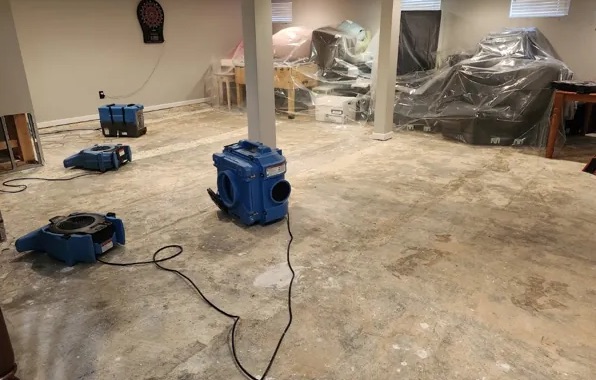
Professional Rapid Structural Drying in Richmond, TX
Concrete slabs, subfloors and wall studs all absorb moisture at different rates. Incomplete drying leaves residual dampness that weakens structures over time.
Residential structural drying in Richmond focuses on protecting family homes from water-related deterioration. Local moisture removal experts perform flood drying services and moisture mapping services as part of a full response. Coverage includes areas around Rosenberg, Pecan Grove and New Territory for convenient access.
Rapid Structural Drying Methods and Techniques
Crawl Space Drying
Properties in Richmond may have crawl spaces affected by seasonal moisture. The pros seal vapor barriers and run drying equipment until wood moisture content returns to safe levels.
Wall Cavity Drying
Interior walls can absorb significant moisture from leaks or floods. Wall cavity drying involves accessing the space between studs to direct airflow and desiccant dehumidification.
Flood Drying Services
Floodwaters affect every porous material they touch. The operation runs 24/7 until the environment is controlled.
Structural Dehumidification
The core of rapid structural drying is aggressive dehumidification. Using low-grain refrigerant (LGR) or desiccant units, pros control the environment to halt secondary damage.
Emergency Structural Drying
A sudden water event requires a drying protocol. High-capacity dehumidifiers then work to pull moisture from the air and structural components, starting the recovery process.
When Rapid Structural Drying is needed
Soggy or Spongy Drywall
Drywall that feels soft to the touch has absorbed a lot of water and needs drying right away.
Peeling Paint or Wallpaper
Paint or wallpaper that is blistering and peeling is often caused by hidden moisture behind the surface.
Warped or Bubbling Floorboards
Hardwood floors that buckle or cup have taken on moisture from below, usually from a wet subfloor.
Mold Growth on Baseboards
Mold appearing along floor edges often points to hidden moisture in wall cavities or subfloors needing extraction.
How Rapid Structural Drying Works in Richmond
Step 1: Emergency Assessment and Moisture Mapping
The experts first perform a detailed inspection using moisture meters and thermal imaging to create a precise moisture map of all affected structural areas.
Step 2: Strategic Flood Drying Setup
Based on the moisture map, air movers and dehumidifiers are placed where they dry the wet materials fastest.
Step 3: Targeted Cavity and Subfloor Drying
Hidden moisture in walls and subfloors is dried with injection systems or drying mats, without tearing out the finishes.
Step 4: Verification and Structural Dehumidification
Pros check moisture levels with meters and adjust equipment until all materials meet dry targets.
How Water Damage Leads to Rapid Structural Drying in Richmond
Appliance Malfunctions and Leaks
Faulty water heaters, washing machines, or dishwashers can leak slowly, causing hidden damage in walls and floors over time.
Roof Leaks From Storm Damage
Wind-driven rain or damaged shingles allow water to infiltrate attics and wall cavities, leading to widespread structural moisture.
Severe Weather and Flooding
Heavy rainfall or localized flooding can overwhelm drainage, leading to water intrusion.
Burst Pipes or Plumbing Failures
A burst pipe can release hundreds of gallons, soaking drywall, subfloors and framing well beyond the room where it broke.
Residential and Commercial Rapid Structural Drying in Richmond
Residential Rapid Structural Drying
In homes, rapid structural drying targets moisture trapped in walls, under floors, and in crawl spaces after a leak.
Commercial Rapid Structural Drying
For businesses, commercial structural drying minimizes downtime after water damage. The pros focus on large-scale moisture removal from concrete slabs, interior wall cavities, and office subfloors using high-capacity equipment to get operations back to normal swiftly.
When DIY Methods Are Not Enough for Rapid Structural Drying
Watch the indoor humidity with a hygrometer if you have one. Running your air conditioner can lower humidity for a while, but it will not dry wet walls or subfloors.
Factors Affecting Rapid Structural Drying Pricing
Residential structural drying cost in Richmond hinges on how quickly water is extracted and how many air movers and dehumidifiers are deployed. Drying a subfloor or crawl space also changes the price.
Access and Complexity
Difficult-to-reach areas like tight crawl spaces or behind finished walls add labor time to the emergency structural drying process.
Water Contamination Category
Clean water from a broken pipe is simpler to address than contaminated flood water, which requires more extensive safety and drying protocols.
Extent of Water Damage
The square footage and depth of saturation in materials like drywall and subflooring directly impact the drying time and equipment needed.
Does Insurance Cover Rapid Structural Drying?
Whether residential structural drying is covered depends on your insurer's interpretation of the cause. You are responsible for filing the claim and discussing coverage specifics with your insurance agent.
Reasons to Trust Moisture Removal Experts with Rapid Structural Drying
Targeted Drying Strategies
Drying plans are adjusted for subfloors and enclosed spaces that need targeted dehumidification.
Prevention of Mold Growth
Rapid drying helps control humidity levels, creating an environment less conducive to mold development after water intrusion.
IICRC-Standard Drying Methods
Drying follows set targets checked with meters, which prevents damage from moisture left behind.
24/7 Rapid Structural Drying When You Need It
Water in a business can close rooms or whole floors. Call (281) 724-3194 24/7 to start moisture mapping and drying in Richmond.
Call Now (281) 724-3194Local Rapid Structural Drying Coverage Area
Rapid structural drying is available for homes and businesses in Richmond. The experts also serve nearby places like Rosenberg, Pecan Grove and New Territory.
- Rapid Structural Drying in Rosenberg
- Rapid Structural Drying in Pecan Grove
- Rapid Structural Drying in New Territory
- Rapid Structural Drying in Greatwood
- Rapid Structural Drying in Telfair
- Rapid Structural Drying in Sugar Land
- Rapid Structural Drying in Four Corners
- Rapid Structural Drying in Cinco Ranch
- Emergency Damage Restoration in 77406
- Storm Damage Restoration in 77406
- Water Damage Restoration in 77406
- Water Extraction Service in 77406
- Water Leak Detection in 77406
- Water Removal Service in 77406
- Emergency Damage Restoration in 77407
- Storm Damage Restoration in 77407
Frequently Asked Rapid Structural Drying Questions
How does drying differ for residential structural drying?
Residential structural drying often involves navigating living spaces, personal belongings, and varied construction materials, with a focus on restoring habitability and protecting the home's value.
What areas of a home need structural moisture removal?
Structural moisture removal often targets concealed areas like behind walls, under floors, within ceiling cavities, and in support beams where water can linger and cause hidden damage.
How long does concrete slab drying typically take?
Concrete slab drying time varies with thickness and saturation but often takes several days, as dense concrete releases moisture slowly, requiring sustained use of industrial dehumidifiers and air circulation.
When is crawl space drying necessary?
Crawl space drying is necessary when flooding or high humidity saturates this enclosed area, as trapped moisture can damage foundation piers, joists, and lead to mold growth throughout the home.
Why is quick action critical for structural drying?
Quick action limits the extent of water absorption into materials, reduces the drying time required, and helps minimize the potential for costly repairs related to structural decay or mold.