League City, TX · Galveston County
Rapid Structural Drying in League City, TXCrawl Space Drying & Concrete Slab Drying
Rapid Structural Drying in League City involves emergency structural drying, wall cavity drying, and flood drying services from restoration pros.
Answered 24/7
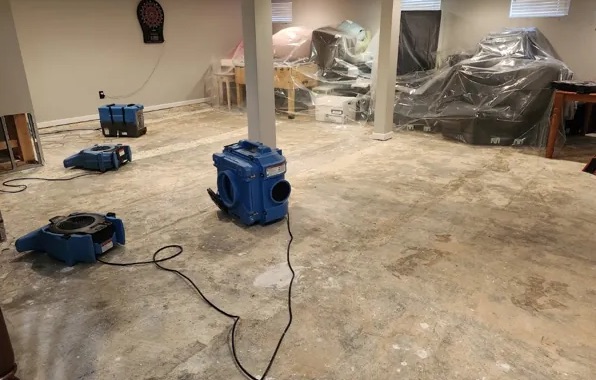
Reliable Rapid Structural Drying Available in League City
Flooding events introduce large volumes of water that soak deep into structural components. Residential structural drying after a flood requires powerful equipment to dry materials from the inside out.
Fast structural drying is essential for homes throughout League City. The experts provide subfloor drying and crawl space drying to protect foundational elements. Services reach neighboring areas including Webster, Nassau Bay and Clear Lake City for broader support.
Comprehensive Rapid Structural Drying Solutions
Crawl Space Drying
Properties in League City may have crawl spaces affected by seasonal moisture. The pros seal vapor barriers and run drying equipment until wood moisture content returns to safe levels.
Concrete Slab Drying
Concrete slabs retain moisture long after surface water is gone, leading to efflorescence and flooring adhesive failure.
Emergency Structural Drying
A sudden water event requires a drying protocol. High-capacity dehumidifiers then work to pull moisture from the air and structural components, starting the recovery process.
Structural Dehumidification
After water extraction, dehumidification tackles the remaining vapor. Structural dehumidification creates a drying gradient, pulling moisture from wet materials into the drier air.
Subfloor Drying
In many water damage situations, the subfloor is critically affected. Subfloor drying prevents costly replacement by using specialized equipment like LGR dehumidifiers and directed airflow.
Indications for Rapid Structural Drying
Visible Water Stains on Walls
Yellow or brown stains on drywall or ceilings mean water got into the material and may still be inside.
Squeaking or Soft Floor Areas
Unusual noises or soft spots when walking indicate compromised subflooring from water damage that needs assessment.
Recent Plumbing Leak or Flood
Any recent leak or flood can leave water inside walls and floors even after surfaces look dry.
Water Pooling in Crawl Spaces
Standing water under your home puts floor framing at risk and needs pumping and drying.
How Rapid Structural Drying Works in League City
Step 1: Site Evaluation for Hidden Moisture
The service starts with a thorough evaluation using probes and sensors to locate all hidden moisture within wall cavities, subfloors, and concrete slabs.
Step 2: Deployment of Industrial Drying Systems
Commercial dehumidifiers and air movers are set up to pull water out of dense materials like hardwood and framing.
Step 3: Active Wall and Subfloor Drying Cycle
An active drying cycle begins, with equipment running continuously to evaporate and extract moisture, focusing on wall cavity and subfloor drying.
Step 4: Assurance of Complete Moisture Removal
Before concluding, pros verify complete moisture removal with final checks, ensuring the structure is protected from future mold or rot issues.
Common Causes Requiring Rapid Structural Drying in League City
Clogged Gutters and Downspouts
When gutters overflow, water pools against the foundation and can seep into crawl spaces, slabs and lower walls.
Severe Weather and Flooding
Heavy rainfall or localized flooding can overwhelm drainage, leading to water intrusion.
Roof Leaks From Storm Damage
Wind-driven rain or damaged shingles allow water to infiltrate attics and wall cavities, leading to widespread structural moisture.
Poor Ventilation in Enclosed Spaces
Inadequate airflow in crawl spaces or wall cavities traps moisture, promoting rot and mold that experts must address.
Both Home and Business Rapid Structural Drying
Residential Rapid Structural Drying
Crawl space drying is critical in homes to stop wood rot and pest infestation. The pros run drying ducts and desiccant dehumidifiers under the house until it reads dry.
Commercial Rapid Structural Drying
Offices get drying plans that run in phases, floor by floor, so wall cavities and ceiling plenums are dried with the least disruption.
The Risks of Attempting Rapid Structural Drying Yourself
Pull back baseboards carefully to inspect for hidden water in wall cavities, but do not puncture drywall. This visual check can help assess the extent.
Factors Influencing Rapid Structural Drying Costs
Several factors determine rapid structural drying cost for a home in League City. The primary considerations are the square footage affected and the complexity of accessing wet structural components like crawl spaces or concrete slabs.
Access and Complexity
Difficult-to-reach areas like tight crawl spaces or behind finished walls add labor time to the emergency structural drying process.
Secondary Damage Prevention
Efforts to prevent mold growth during the drying process, such as applying antimicrobials, can be a factor in the service cost.
Water Contamination Category
Clean water from a broken pipe is simpler to address than contaminated flood water, which requires more extensive safety and drying protocols.
Does Insurance Cover Rapid Structural Drying?
Coverage for structural moisture removal hinges on the peril named in your homeowners policy. Final approval for any work rests with your insurance company, so direct communication is key.
Reasons to Trust Moisture Removal Experts with Rapid Structural Drying
Prevention of Mold Growth
Rapid drying helps control humidity levels, creating an environment less conducive to mold development after water intrusion.
Thorough Process Verification
Drying is monitored until moisture levels in materials meet standard dry criteria before equipment is removed.
Targeted Drying Strategies
Drying plans are adjusted for subfloors and enclosed spaces that need targeted dehumidification.
Emergency Structural Drying Response
Need fast structural drying services following a major leak? Contact (281) 724-3194 for 24/7 emergency assistance from the pros in your area.
Call Now (281) 724-3194Rapid Structural Drying in League City and Nearby Areas
The experts dry homes and businesses in League City after water damage, and also serve nearby locations including Webster, Nassau Bay and Clear Lake City.
- Rapid Structural Drying in Webster
- Rapid Structural Drying in Nassau Bay
- Rapid Structural Drying in Clear Lake City
- Rapid Structural Drying in Dickinson
- Rapid Structural Drying in Heritage Park
- Rapid Structural Drying in Kemah
- Rapid Structural Drying in Bacliff
- Rapid Structural Drying in El Lago
- Emergency Damage Restoration in 77573
- Storm Damage Restoration in 77573
- Water Damage Restoration in 77573
- Water Extraction Service in 77573
- Water Leak Detection in 77573
- Water Removal Service in 77573
- Emergency Damage Restoration in 77574
- Storm Damage Restoration in 77574
Frequently Asked Rapid Structural Drying Questions
What is structural dehumidification?
Structural dehumidification uses large-capacity dehumidifiers to lower the overall humidity within a building's structure, aiding the drying of materials and helping to prevent secondary water damage like mold.
How long does concrete slab drying typically take?
Concrete slab drying time varies with thickness and saturation but often takes several days, as dense concrete releases moisture slowly, requiring sustained use of industrial dehumidifiers and air circulation.
Why document the process for insurance?
Detailed documentation of moisture readings, photos, and equipment used provides a clear record for your insurance claim, showing the necessity and scope of the rapid structural drying services performed.
What happens if wall cavity drying is delayed?
Delayed wall cavity drying allows moisture to promote mold growth inside walls, degrade insulation, and potentially weaken drywall or wooden studs, leading to more extensive and invasive repairs.
How does drying differ for residential structural drying?
Residential structural drying often involves navigating living spaces, personal belongings, and varied construction materials, with a focus on restoring habitability and protecting the home's value.