South Houston, TX · Harris County
Hydrostatic Pressure Water Removal in South Houston, TXGroundwater Intrusion Mitigation & Structural Drying After Intrusion
Hydrostatic Pressure Water Removal in South Houston covers groundwater intrusion mitigation, wet subfloor removal and crawl space water extraction.
Answered 24/7
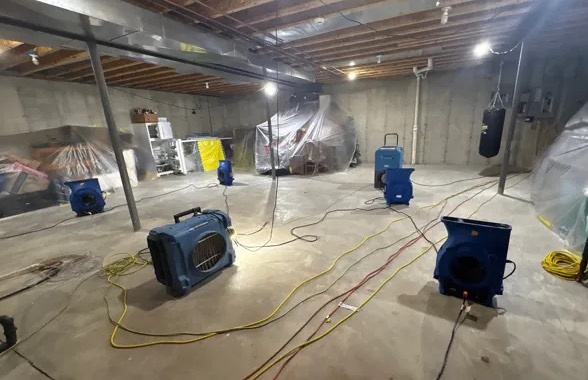
Addressing Hydrostatic Pressure Water Damage in South Houston
In South Houston areas where the water table rises in wet seasons, groundwater presses on foundation walls and can seep inside.
The Hydrostatic Pressure Water Removal Process in South Houston
Groundwater Intrusion Mitigation
Moisture readings and entry points are recorded during the work, which helps plan both the drying and any drainage changes outside.
Structural Drying After Intrusion
After water is pushed inside, air movers and dehumidifiers dry the wood, concrete and drywall it reached so rot and mold do not start.
Slab Leak Water Removal
Water pooling on a concrete slab often indicates a plumbing leak or hydrostatic pressure forcing moisture upward.
Crawl Space Water Extraction
A wet crawl space soaks joists, insulation and wiring. Submersible pumps and extractors remove the standing water, then the space is dried.
Wet Subfloor Removal
Water damage pros assess the damage, remove the compromised materials, and ensure the underlying joists are dry and sound before reconstruction.
Signs of Hydrostatic Pressure Water Damage in South Houston
Spongy or Soft Spots on Floors
Damp spots or lifting flooring on a slab can mean water is coming up from below.
Pooling Water in Crawl Space
Standing water in a crawl space is a clear sign water is getting in and needs to be removed.
High Indoor Humidity Levels
High humidity in lower levels that does not go away can mean water is seeping through the foundation.
Water Seeping From Foundation Walls
Water seeping at the base of foundation walls means groundwater is being pushed in by pressure from the soil.
How Hydrostatic Pressure Water Removal Works in South Houston
Step 1: Safety and Hazard Assessment
The area is made safe and electrical hazards are checked before any water removal starts.
Step 2: Foundation Crack Water Infiltration Stop
Water coming through cracks is managed with pumps while the area dries, and the cracks are noted for a foundation contractor.
Step 3: Advanced Drying System Setup
Desiccant dehumidifiers and injectidry systems are installed to dry deep within building materials. This equipment pulls moisture out of concrete, wood and insulation.
Step 4: Post-Restoration Integrity Check
A final check confirms the lower level is dry, and the readings are shared with you.
What Causes Hydrostatic Pressure Water Damage
Poor Exterior Drainage Systems
Clogged gutters, downspouts and poor grading send water toward the foundation, where it builds pressure in the soil.
Foundation Settlement and Cracks
As a foundation settles, cracks form and give groundwater a direct path inside.
Improper Landscaping and Irrigation
Landscaping that slopes toward the house, or heavy watering near it, adds water to the soil against the foundation.
Clogged or Collapsed Footing Drains
When perimeter drains clog or fail, water has nowhere to go and presses against the walls and slab.
Residential and Commercial Hydrostatic Pressure Water Removal in South Houston
Residential Hydrostatic Pressure Water Removal
In homes, groundwater pushed through a wall or slab can soak flooring and drywall. Fast extraction and drying keep the damage from spreading to walls and stored items.
Commercial Hydrostatic Pressure Water Removal
Restaurants, medical offices, and other sensitive environments require meticulous groundwater extraction and sanitization after water intrusion. Specialized water removal pros ensure these spaces meet strict hygiene standards.
Professional Hydrostatic Pressure Water Removal or DIY Cleanup in South Houston
Take photos and video of the damage from a safe spot for your insurance claim. Stay out of flooded areas with power still on, and let the pros handle the moisture mapping.
Understanding Hydrostatic Pressure Water Removal Expenses
The cost of hydrostatic pressure water removal in South Houston depends on how much of the lower level flooded and how much water came in.
Material Saturation Level
Deeply soaked subflooring or wet foundation walls need more extraction and dehumidification.
Water Source Type
A slow slab seep and a sudden flood through a wall crack need different approaches and equipment.
Affected Area Size
Larger flooded areas or large wet subfloors need more equipment and more days of drying.
Does Insurance Cover Hydrostatic Pressure Water Removal?
Coverage for hydrostatic pressure water removal depends on your policy and what caused the water. The specialists in South Houston take photos and moisture readings, and your insurer decides what is covered.
Benefits of Local Pros for Hydrostatic Pressure Issues
Structural Damage Assessment
The pros check where water came in and which materials it reached before drying starts.
Methodical Cleanup Process
Each step, from extraction to final readings, is done in order so nothing is left wet.
Targeted Groundwater Extraction
Equipment made for tight spaces removes water from crawl spaces and around slabs.
Round-the-Clock Hydrostatic Pressure Water Removal in South Houston, TX
Drying after groundwater gets in starts with a call to (281) 724-3194. The specialists are available 24/7 in South Houston to remove the water and set up drying.
Call Now (281) 724-3194Hydrostatic Pressure Water Removal Coverage Around South Houston
Groundwater cleanup and wet subfloor removal are available for properties in South Houston and neighboring locations such as Pasadena, Galena Park and Jacinto City.
- Hydrostatic Pressure Water Removal in Pasadena
- Hydrostatic Pressure Water Removal in Galena Park
- Hydrostatic Pressure Water Removal in Jacinto City
- Hydrostatic Pressure Water Removal in Deer Park
- Hydrostatic Pressure Water Removal in Pearland
- Hydrostatic Pressure Water Removal in Webster
- Hydrostatic Pressure Water Removal in Cloverleaf
- Hydrostatic Pressure Water Removal in Heritage Park
- Emergency Damage Restoration in 77587
- Storm Damage Restoration in 77587
- Water Damage Restoration in 77587
- Water Extraction Service in 77587
- Water Leak Detection in 77587
- Water Removal Service in 77587
Hydrostatic Pressure Water Removal in South Houston: Your Questions
Why is subfloor drying services important after flooding?
Drying the subfloor keeps it from rotting and growing mold, which protects the floor system above it.
Does sealing a foundation crack stop water from coming in?
Sealing a crack, done by a foundation contractor, can help. Long-term control often also needs drainage or waterproofing outside to lower the water pressure.
How long does drying take after groundwater comes in?
Most jobs take several days of drying. Waterproofing repairs, if needed, are a separate job for a waterproofing contractor.
What causes foundation crack water infiltration?
Usually water pressure from soaked soil, or settlement cracks that give groundwater a path into the building.
What does groundwater intrusion mitigation involve?
Removing the water, drying the structure and then, often, drainage or waterproofing work outside by a contractor.