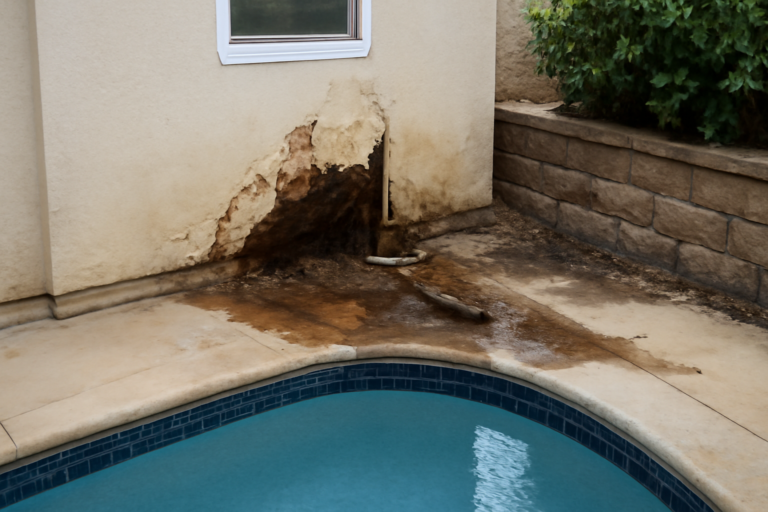
Trusted by 150+ Homeowners
Basement Water Damage Restoration in Galveston, TX
- Over 151 5-Star Reviews
- Free Estimates and Quotes
- 100% Satisfaction Guaranteed
- Child, Family & Pet Safe Steps
- 24-Hour Emergency Service
- Fully Licensed & Insured
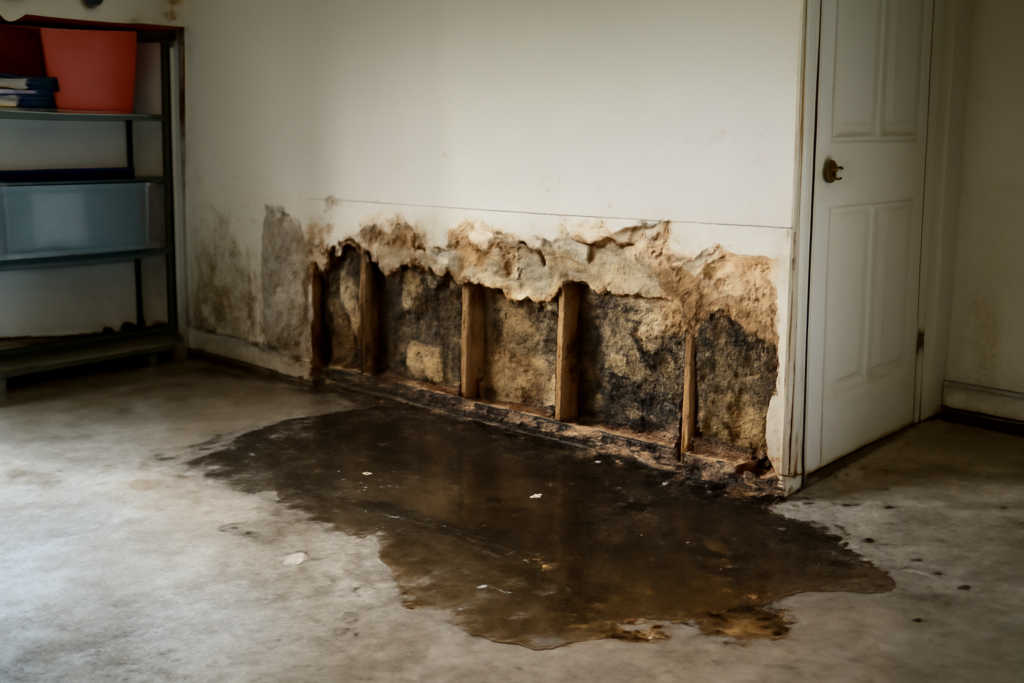
Water Damage in Your Basement? Don’t Panic, We Can Help Now
You’ve just stepped into your basement and noticed a small puddle of water pooling on the floor. It’s coming from a leaky pipe behind the wall. You can smell the dampness and hear the sound of water dripping. This is a common problem in Galveston, TX, where the high humidity and heavy rainfall can cause water damage to your home’s foundation. Our team is here to help you dry out your basement and prevent further damage.
We’ve helped over 165 homeowners in the Galveston area restore their basements to their former glory. Our customers rave about our prompt service and professional technicians who take the time to explain the process to you.
- You’ll get fast relief from standing water and moisture.
- Our equipment ensures thorough drying and prevents mold growth.
- We’ll help you prevent future water damage with our expert assessments.
How Our Basement Water Damage Restoration Service Actually Works
Our process starts with a thorough inspection of your basement to identify the source of the water damage. We’ll use our specialized equipment to measure the moisture levels and find out the best course of action to dry out your basement safely and efficiently.
Step 1: Inspection and Assessment
Our technicians will thoroughly inspect your basement to identify the source of the water damage. We’ll check for signs of mold, mildew, and structural damage. This step typically takes 30 minutes to an hour.
Step 2: Water Extraction
We’ll use our powerful water extraction equipment to remove standing water from your basement. This step is crucial to preventing further damage and mold growth. Our equipment can extract up to 2 inches of water in a single pass.
Step 3: Drying and Dehumidification
Next, we’ll use our specialized drying equipment to dry out your basement. Our dehumidifiers will remove excess moisture from the air, preventing mold growth and ensuring your basement is dry and safe.
Step 4: Repair and Reconstruction
Once your basement is dry, our technicians will repair any damaged walls, floors, and ceilings. We’ll replace any necessary materials and ensure your basement is structurally sound.
Step 5: Final Inspection and Cleaning
We’ll conduct a final inspection to ensure your basement is completely dry and free of any signs of water damage. We’ll also clean up any debris and leave your basement looking like new.
Don’t wait any longer to restore your basement. Contact us today to schedule an appointment with our team of experts. We’ll work with you to create a customized plan that fits your needs and budget.
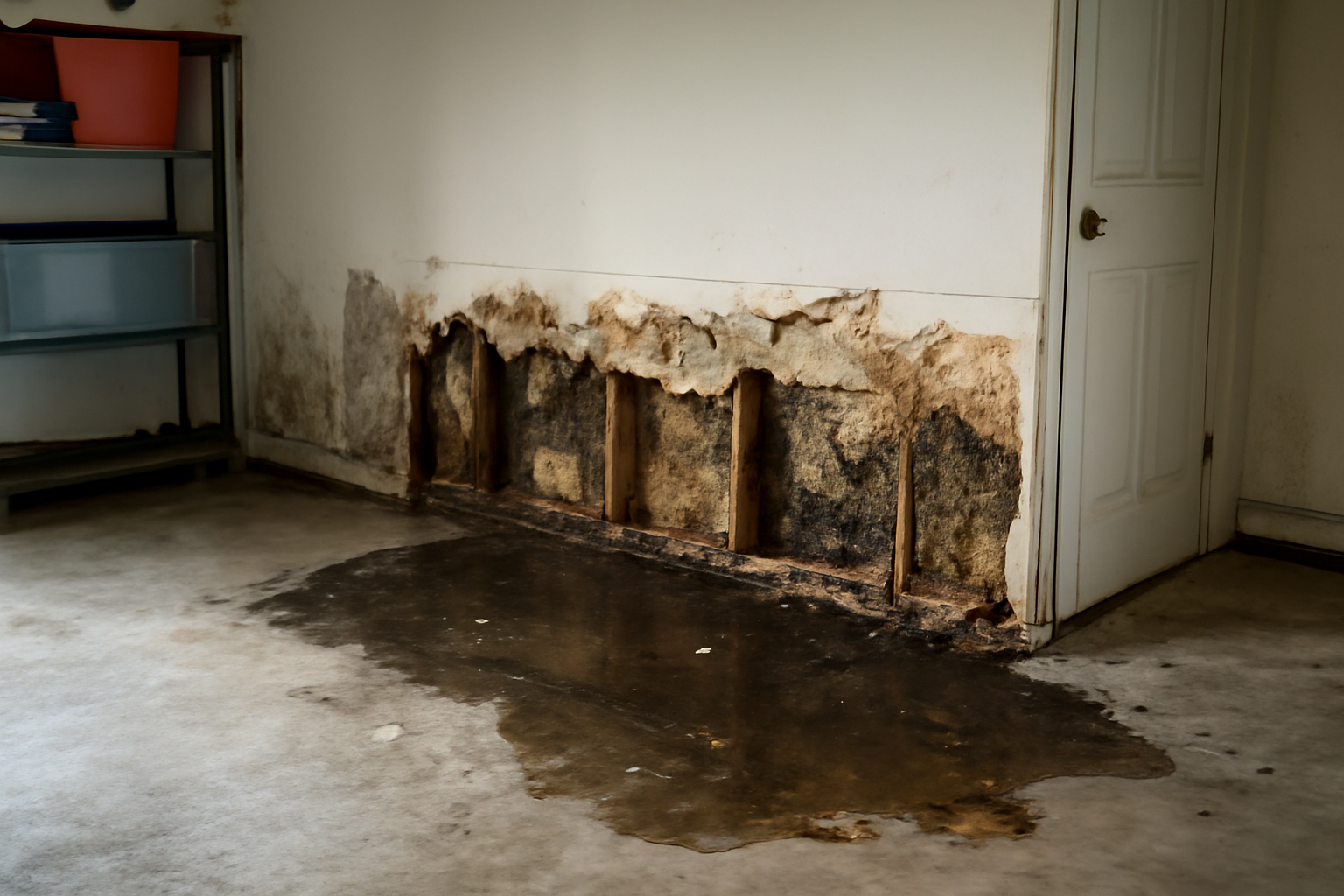
Warning Signs You Need Basement Water Damage Restoration
Catching water damage early can save you thousands of dollars in repairs. Here are some common warning signs to look out for:
Musty Odors That Won’t Go Away
If you notice a persistent musty smell in your basement, it could be a sign of mold growth. Don’t ignore it, call us today to schedule an inspection.
Water Stains on Your Ceiling or Walls
Water stains can be a sign of a leaky pipe or roof damage. Our team can help you identify the source of the problem and provide a solution.
Peeling Paint or Warped Flooring
Peeling paint or warped flooring can be a sign of water damage. Don’t wait, call us today to schedule an inspection and get your basement restored.
Unusual Sounds or Leaks
Unusual sounds or leaks in your basement can be a sign of water damage. Our team can help you identify the source of the problem and provide a solution.
Visible Signs of Mold or Mildew
Visible signs of mold or mildew can be a sign of water damage. Don’t ignore it, call us today to schedule an inspection and get your basement restored.
Standing Water or Puddles
Standing water or puddles in your basement can be a sign of a leaky pipe or roof damage. Our team can help you identify the source of the problem and provide a solution.
Basement Water Damage Restoration vs. DIY: When to Call a Professional
| Situation | DIY? | Call a Pro? | Why |
|---|---|---|---|
| Small leak (less than 10 gallons) | Yes | No | You can use DIY methods to clean up the spill and repair the leak. |
| Large leak (more than 10 gallons) | No | A large leak needs specialized equipment and expertise to safely and efficiently dry out your basement. | |
| Standing water (over 2 inches) | No | Standing water needs specialized equipment to safely and efficiently extract and dry out your basement. | |
| Visible signs of mold or mildew | No | Mold and mildew need specialized equipment and expertise to safely and efficiently remove and prevent future growth. | |
| Structural damage to walls or floors | No | Structural damage needs specialized expertise and equipment to safely and efficiently repair and restore your basement. | |
| Unusual sounds or leaks | No | Unusual sounds or leaks need specialized expertise and equipment to safely and efficiently identify and repair the source of the problem. |
Don’t risk your health and safety by trying to tackle water damage yourself. Call a professional today to schedule an appointment with our team of experts. We’ll work with you to create a customized plan that fits your needs and budget.
Basement Water Damage Restoration Cost in Galveston, TX
The cost of basement water damage restoration varies based on the severity and size of the affected area. Our estimates typically range from $500 to $2,500, depending on the extent of the damage. Factors that affect the cost include the type of materials needed for repairs, the amount of water extracted, and the level of mold or mildew growth.
| Service | Typical Price Range | What Affects Cost |
|---|---|---|
| Water extraction and drying | $500 – $1,500 | Size of affected area, type of materials needed for repairs |
| Mold remediation | $1,000 – $3,000 | Level of mold growth, type of materials needed for repairs |
| Structural repairs | $2,000 – $5,000 | Severity of damage, type of materials needed for repairs |
| Dehumidification and drying equipment rental | $100 – $500 | Duration of rental, type of equipment needed |
| Inspection and assessment | $100 – $500 | Complexity of the job, level of expertise required |
| Final cleaning and disinfection | $100 – $500 | Size of affected area, level of contamination |
Exact pricing will depend on an on-site assessment by one of our technicians. We offer free estimates and will work with you to create a customized plan that fits your needs and budget.
Service Areas Near Galveston, TX
We serve the following communities: Alvin, Angleton, Baytown, Clute, Crystal Beach, Dickinson, Freeport, Friendswood, Galena Park, Galveston, Hitchcock, Kemah, La Marque, League City, Manvel, Missouri City, Pasadena, Pearland, Santa Fe, Seabrook, Texas City, Webster.
Common Questions About Basement Water Damage Restoration
Q: What causes water damage in my basement?
A: Water damage in your basement can be caused by a variety of factors, including heavy rainfall, burst pipes, and roof leaks. Our team can help you identify the source of the problem and provide a solution.
Q: How long does it take to dry out my basement?
A: The length of time it takes to dry out your basement depends on the severity and size of the affected area. Our technicians can provide a more accurate estimate after an on-site assessment.
Q: Is it safe to enter my basement after a water damage?
A: No, it’s not safe to enter your basement after a water damage until it’s been properly dried and cleaned. Our team can provide a safe and healthy environment for you and your family.
Q: Can I use DIY methods to clean up the spill and repair the leak?
A: Yes, you can use DIY methods to clean up the spill and repair the leak if the damage is minor. But, if the damage is extensive, it’s best to call a professional to ensure the job is done safely and efficiently.
Q: What affects the cost of basement water damage restoration?
A: The cost of basement water damage restoration is affected by the size of the affected area, the type of materials needed for repairs, and the level of mold or mildew growth.
Check Our Other Relevant Services
Serving Galveston, TX And Nearby Areas